
Bone Broth Recipe Variations

Homemade Bone Broth Recipe

How to Make Real Bone Broth for Recovery, Digestion, Stress, and Deeper Restoration

There is a difference between broth that adds flavor to food… and broth that actually helps rebuild the body.

Real bone broth is simple, slow medicine.

It is warm, grounding, mineral-rich, and easy to digest. It can be used to support recovery after stress, illness, depletion, poor digestion, overwork, injury, or long seasons of running on empty.

If you learn how to make it well, and how to adjust it for the person and situation, bone broth becomes more than a recipe.

It becomes a tool for restoration.


Why Bone Broth Matters

Many people are tired, overstimulated, undernourished, inflamed, and not rebuilding well.

They may be eating enough calories, but still not feeling restored.

Bone broth helps because it is:

  • easy to digest
  • rich in collagen-building compounds
  • supportive for the gut lining
  • warming and grounding
  • deeply nourishing without being heavy

It does not force energy.
It does not stimulate the body to push harder.
It helps the body recover.

That makes it especially useful for people who feel:

  • run down
  • weak after illness
  • stressed and depleted
  • cold and tired
  • fragile in digestion
  • hungry, but not able to handle heavy foods well

What Makes Homemade Broth Better

Store-bought broth can be useful, but homemade broth is usually much deeper.

A good homemade broth has:

  • more gelatin
  • better mineral extraction
  • richer flavor
  • better texture
  • more flexibility for therapeutic additions

When it cools in the fridge, it often turns gelatinous.
That is a good sign.

That means you extracted something real.


The Best Bones to Use

You can make broth from many kinds of bones.

Good options include:

  • chicken carcass
  • chicken backs
  • chicken necks
  • chicken feet
  • beef marrow bones
  • beef knuckle bones
  • joints
  • oxtail
  • lamb bones

Chicken broth is lighter and easier for many people.
Beef broth is richer and deeper.
A mix can also work well.


Basic Homemade Bone Broth Recipe

Ingredients

  • 2–4 pounds bones
  • 1–2 tablespoons apple cider vinegar
  • 1 onion, halved
  • 2 carrots, chopped
  • 2 celery stalks, chopped
  • 2 bay leaves
  • 1 tablespoon sea salt
  • water to cover

Instructions

  1. Place bones in a large stock pot or slow cooker.
  2. Add apple cider vinegar and cover with water.
  3. Let sit for 20–30 minutes before heating.
  4. Add onion, carrots, celery, bay leaves, and salt.
  5. Bring to a gentle boil, then immediately reduce to a very low simmer.
  6. Skim off foam during the first 30–60 minutes if needed.
  7. Simmer gently:
    • Chicken bones: 8–18 hours
    • Beef or lamb bones: 12–24 hours
  8. Strain out the solids.
  9. Cool and refrigerate.

A gentle simmer is ideal.
Do not hard boil it for hours.

Low and slow gives a better broth.


Important Tips for Better Broth

1. Use vinegar

A little apple cider vinegar helps draw minerals from the bones.

2. Keep the heat low

A rough boil is harsher on the broth. A gentle simmer creates a cleaner, deeper result.

3. Salt lightly at first

You can always add more later.

4. Store it well

  • Refrigerator: 4–5 days
  • Freezer: 2–3 months

5. Use it often

Broth works best as a regular support, not just once in a while.


Therapeutic Additions: What to Add and When to Use It

The base broth is already restorative.

But the additions are what let you shape the broth for the person in front of you.

This is where cooking becomes medicine.


Ginger

Best for:

  • weak digestion
  • bloating
  • nausea
  • feeling cold
  • sluggishness after eating
  • damp, heavy states

Why add it:

Ginger warms digestion, improves circulation in the middle, and helps the body process nourishment better.

How to use it:

Add 1–3 inches of fresh sliced ginger during the last 1–2 hours of cooking, or simmer it into strained broth for 10–20 minutes.

Indication:

Use ginger when the person needs warmth, better digestion, and easier assimilation.


Garlic

Best for:

  • post-illness recovery
  • coldness
  • weak appetite
  • low resilience
  • immune support

Why add it:

Garlic adds warmth, movement, and a traditional protective quality. It also makes broth feel more alive and meal-like.

How to use it:

Add 3–6 cloves during the last 1–2 hours, or crush fresh into hot broth near the end for a stronger effect.

Indication:

Use garlic when the person is depleted, cold, or trying to recover.


Turmeric

Best for:

  • inflammation
  • achiness
  • stiffness
  • soreness
  • injury recovery

Why add it:

Turmeric supports a calmer inflammatory response and pairs well with broth when tissue repair is needed.

How to use it:

Add 1–2 teaspoons dried turmeric or 1–2 inches fresh turmeric during the last hour. Add a little black pepper if tolerated.

Indication:

Use turmeric when pain, swelling, or irritation are part of the picture.


Black Pepper

Best for:

  • improving warmth
  • helping turmeric work better
  • mild stagnation

Why add it:

Black pepper adds gentle movement and helps activate turmeric.

How to use it:

Add a small amount near the end.

Indication:

Use when you want a little more warmth and circulation, especially with turmeric.


Parsley

Best for:

  • mineral support
  • freshness
  • puffiness
  • heavy broth that needs brightening

Why add it:

Parsley lifts the broth and gives it a cleaner, fresher finish.

How to use it:

Add in the last 10–15 minutes, or stir fresh parsley into hot broth before serving.

Indication:

Use when the broth feels too heavy or the person needs a fresher mineral-rich feel.


Sea Salt

Best for:

  • low energy
  • depleted feeling
  • dizziness
  • poor stress resilience
  • weak appetite

Why add it:

Salt makes broth more restorative and usable. It helps with fluid balance, nerve signaling, and the feeling of being replenished.

How to use it:

Add to taste at the end.

Indication:

Use when someone looks or feels drained and needs more support, not just hydration.


Cayenne

Best for:

  • cold stagnation
  • poor circulation
  • heavy, stuck states
  • people who do well with spice

Why add it:

Cayenne strongly warms and moves.

How to use it:

Add a pinch at the end, not during a long simmer.

Indication:

Use for cold, sluggish, stagnant patterns. Avoid in people who are already overheated, anxious, inflamed, or wired.


Cinnamon

Best for:

  • coldness
  • unstable energy
  • sweet cravings
  • chilly digestion

Why add it:

Cinnamon gives a gentle warmth and can make broth surprisingly grounding in small amounts.

How to use it:

Add a small stick or pinch during a short finishing simmer.

Indication:

Use when coldness and unstable blood sugar-style energy are part of the picture.


Mushrooms

Best for:

  • deeper depletion
  • recovery
  • low resilience
  • fatigue
  • immune support

Why add them:

Medicinal mushrooms deepen the rebuilding quality of the broth.

How to use them:

Add shiitake, maitake, or reishi during the final 1–2 hours, or simmer separately and combine.

Indication:

Use when someone needs long-term rebuilding, not just a quick lift.


Lemon or Lime

Best for:

  • low appetite
  • heavy broth needing lift
  • mild nausea
  • rich foods feeling too dense

Why add it:

A little acid brightens the broth and makes it easier to drink.

How to use it:

Add only after cooking, just before serving.

Indication:

Use when the broth needs freshness or when someone wants something restorative that still feels light.


Green Onion

Best for:

  • light immune support
  • mild coldness
  • poor appetite
  • making broth feel more like a meal

Why add it:

Green onion adds a gentle warmth and fresh finish.

How to use it:

Slice fresh and add at serving.

Indication:

Use when a lighter, fresher finish is preferred.


Best Combinations for Different Situations

1. For Stress, Burnout, and Depleted Reserves

Add:

  • sea salt
  • ginger
  • ghee or olive oil at serving

Why:

This combination makes broth more grounding, more usable, and better for people who feel empty, shaky, worn down, or overextended.

Best for:

  • stress crashes
  • weak appetite
  • fatigue
  • “adrenal” depletion patterns
  • feeling like you are running on fumes

2. For Weak Digestion and Bloating

Add:

  • ginger
  • garlic
  • parsley

Why:

This combination helps warm digestion, reduce heaviness, and improve how the body handles nourishment.

Best for:

  • gas
  • bloating
  • sluggish digestion
  • heaviness after meals

3. For Coldness and Low Circulation

Add:

  • ginger
  • garlic
  • pinch of cayenne at the end

Why:

This combination warms and moves.

Best for:

  • cold hands and feet
  • feeling chilled
  • slow recovery
  • sluggish circulation

4. For Pain, Inflammation, or Injury Recovery

Add:

  • turmeric
  • black pepper
  • garlic

Why:

This combination supports tissue repair while helping calm irritation and stiffness.

Best for:

  • joint soreness
  • body aches
  • recovery from physical strain
  • stiffness and swelling

5. For Illness Recovery

Add:

  • garlic
  • ginger
  • green onion
  • sea salt

Why:

This is a classic restorative combination that supports hydration, warmth, and simple nourishment.

Best for:

  • after a cold
  • after flu
  • after a stomach bug
  • weakness after being sick

6. For Low Appetite and Needing Something Light

Add:

  • sea salt
  • parsley
  • lemon or lime

Why:

This makes the broth lighter, fresher, and easier to sip.

Best for:

  • low appetite
  • mild nausea
  • fragile digestion
  • wanting nourishment without heaviness

7. For Deep Rebuilding and Long-Term Recovery

Add:

  • mushrooms
  • ginger
  • sea salt

Why:

This gives the broth more depth and more rebuilding value over time.

Best for:

  • chronic fatigue
  • post-illness depletion
  • low reserves
  • long recovery seasons

When to Add Ingredients

Add at the beginning:

  • bones
  • vinegar
  • onion
  • carrots
  • celery
  • bay leaves

Best added in the last 1–2 hours:

  • ginger
  • garlic
  • mushrooms
  • turmeric

Best added at the end:

  • parsley
  • lemon or lime
  • cayenne
  • green onion
  • olive oil or ghee
  • final salt to taste

This keeps the additions cleaner, brighter, and more purposeful.


Simple Daily Ways to Use Bone Broth

Morning Mug

Warm broth with sea salt and ginger.

Recovery Cup

Warm broth with collagen, sea salt, and a little ghee.

Meal Base

Pour over rice, shredded chicken, or black beans.

Digestive Soup

Add soft vegetables, garlic, and parsley.

Burnout Bowl

Use broth with black beans, root vegetables, sea salt, and olive oil.


Who Benefits Most from Bone Broth?

Bone broth is especially useful for people who are:

  • depleted
  • overstressed
  • recovering from illness
  • struggling with digestion
  • not rebuilding well
  • needing deeper nourishment without heavy food

It is simple enough for everyday use, but deep enough to matter.


Final Thoughts

Bone broth is one of the easiest ways to give the body something warm, mineral-rich, digestible, and restorative.

The base recipe matters.
The quality matters.
But the real power is in learning what to add, when to add it, and why.

Do not just ask,
“What would taste good?”

Ask:

  • Does this person need warmth?
  • Does this person need movement?
  • Does this person need calming?
  • Does this person need rebuilding?
  • Does this person need lighter digestion?

That is when broth becomes more than food.

That is when it becomes support.
Nourishment Natural Laws

Diet Natural Laws – The Eastern View

Every traditional medicine system agrees on this one thing:

Food is information.
It either strengthens your system—or creates noise your body has to fight through.

Modern culture argues endlessly about what to eat:
vegan vs carnivore, keto vs paleo, fasting vs frequent meals.

Eastern medicine zooms out.

All of these approaches can work
if they are based on whole, living foods and free of chemical interference.

This is not a restrictive diet.
This is a return to natural law.

Your job is not to pick a side.
Your job is to listen to your body and find where you belong on the continuum.


The Continuum (Not a Battle)

You may thrive anywhere along this spectrum:

  • Mostly plant-based

  • Plant-forward with animal support

  • Balanced omnivore

  • Protein-dense / animal-heavy

What matters is not the label.
What matters is food quality, digestion, and recovery.

Every system breaks down when ultra-processed, chemical foods enter the picture.


The First Rule: Eliminate Chemicals, Not Foods

This approach does not eliminate food groups.
It eliminates brands, processing, and additives.

If a food requires a laboratory to create it,
your body must become the laboratory to survive it.


Universal Avoid → Replace Guide

These swaps alone change health dramatically—without “dieting.”

Grains & Carbohydrates

  • ❌ Enriched white flour
    → ✅ Whole wheat flour, sprouted flour, or traditionally prepared grains

  • ❌ Instant boxed cereals
    → ✅ Steel-cut oats, millet, rice porridge (congee-style)

  • ❌ High-fructose corn syrup
    → ✅ Honey, maple syrup, dates, or no sweetener

Oils & Fats

  • ❌ Vegetable oil, canola oil, soybean oil
    → ✅ Olive oil, avocado oil, ghee, tallow, coconut oil

  • ❌ Hydrogenated / interesterified fats
    → ✅ Naturally occurring fats in whole foods

Flavoring & Additives

  • ❌ Artificial colors & flavors
    → ✅ Herbs, spices, citrus zest

  • ❌ Chemical preservatives
    → ✅ Fresh food, refrigeration, fermentation

Proteins

  • ❌ Processed meats with nitrates, fillers
    → ✅ Fresh meat, pasture-raised when possible

  • ❌ Protein bars & powders with long ingredient lists
    → ✅ Eggs, legumes, bone broth, whole foods


The Hidden Problem: “Health” Foods That Aren’t

Many foods marketed as healthy still violate natural law:

  • Gluten-free but ultra-processed

  • Vegan but chemically stabilized

  • Low-fat but sugar-loaded

  • High-protein but synthetic

If it has:

  • More than ~5–7 ingredients

  • Ingredients you wouldn’t cook with

  • Colors or flavors you can’t identify

…it’s not traditional food, regardless of marketing.


Elemental Eating (Color-Coded & Flexible)

Rather than strict meal plans, Eastern medicine emphasizes energetic balance.
Each element benefits from supportive foods and herbs—not rigid rules.

You can color-code these on the page to match constitution.

🌳 Wood (Liver / Gallbladder)

Support: movement, circulation, smooth flow

  • Foods: All green foods, leafy greens, arugula, spinach, sprouts, lemon, vinegar, beets

  • Herbs: milk thistle, dandelion root, bupleurum

  • Avoid excess: alcohol, greasy fried foods

🔥 Fire (Heart / Small Intestine)

Support: joy, circulation, connection

  • Foods: Red foods, red dates, goji berries, red berries, red beans, red pepper, tomato, cherry, pomegranate, bitter greens, lightly cooked vegetables

  • Herbs: hawthorn, rose, reishi

  • Avoid excess: stimulants, excess caffeine, synthetic sugars

🌍 Earth (Spleen / Stomach)

Support: digestion, grounding, nourishment

  • Foods: Yellow, orange, and brown foods, sweet potato, carrot, root vegetables, squash, walnuts, whole grains, warm cooked vegetables, squash, rice, oats

  • Herbs: ginger, licorice, astragalus

  • Avoid excess: cold/raw foods, refined sugar, damp foods

⚙️ Metal (Lung / Large Intestine)

Support: rhythm, immunity, boundaries

  • Foods: White or off white foods, cabbage, rice, winter melon, garlic, pears, radish, onion, rice, cauliflower, mushrooms

  • Herbs: astragalus, elecampane, white fungus

  • Avoid excess: dryness, overly spicy or processed foods

💧 Water (Kidney / Bladder)

Support: reserves, endurance, recovery

  • Foods: Blue, purple, black foods, purple cabbage, blueberry, purple onion, soups, stews, bone broth, black beans, black sesame seeds

  • Herbs: rehmannia, goji, eucommia

  • Avoid excess: chronic dehydration, stimulant overuse


A Simple Daily Rule of Thumb

Before asking “Is this food allowed?” ask:

  1. Is it real food?

  2. Could my great-grandparents recognize it?

  3. Does my body feel better 30–90 minutes later?

  4. Does it support digestion, energy, and recovery?

If yes → it likely belongs somewhere in your diet.


Closing (Natural Law Reminder)

Health is not created by perfection.
It is created by alignment.

When food is:

  • Whole

  • Minimally processed

  • Prepared with awareness

  • Matched to your constitution

…the body naturally finds balance.

No ideology required.

Magnesium Supplementation Options

Magnesium: Options, Benefits, and How to Take It

Patient Education Guide

Important: This page is for educational purposes only and does not replace medical advice.
If you have kidney disease, are pregnant or breastfeeding, or take prescription medications, speak with your clinician before supplementing magnesium.


Why Magnesium Matters

Magnesium is an essential mineral involved in hundreds of reactions in the body. It supports:

  • Muscle relaxation and prevention of cramps

  • Nerve signaling and nervous system calm

  • Heart rhythm and blood pressure regulation

  • Energy production (ATP)

  • Sleep quality and stress resilience

  • Healthy bowel function

Low magnesium is common due to modern diet, stress, digestive issues, and certain medications.


When Magnesium Levels May Be Low

Magnesium depletion may occur with:

  • Low intake of whole foods (leafy greens, beans, nuts, seeds)

  • Chronic stress, anxiety, or poor sleep

  • Heavy exercise or sweating

  • Digestive conditions (diarrhea, malabsorption, IBS)

  • Certain medications (diuretics, long-term acid blockers/PPIs)

  • Blood sugar imbalance or insulin resistance

Lab note: Serum magnesium can appear normal even when body stores are low. Symptoms and clinical response are often just as important as lab values.


Choosing the Right Form of Magnesium

Different forms of magnesium are used for different goals.


Magnesium Glycinate

Best for:

  • Stress and anxiety

  • Muscle tension or cramps

  • Sleep support

  • General magnesium deficiency

Notes:
Very well absorbed and gentle on digestion. Minimal laxative effect.

Typical dose:
200–400 mg elemental magnesium per day
(Some individuals may need up to 600 mg short-term under guidance.)


Magnesium Malate

Best for:

  • Fatigue

  • Muscle soreness

  • Low energy or poor exercise recovery

Notes:
Often taken in the morning; supports energy production.

Typical dose:
200–400 mg elemental magnesium per day


Magnesium L-Threonate

Best for:

  • Brain fog

  • Focus and memory

  • Sleep quality

  • Nervous system regulation

Notes:
This form crosses the blood-brain barrier. It is usually dosed by the compound rather than elemental magnesium.

Typical dose:
Follow label directions (often 1–2 g per day of magnesium L-threonate).


Magnesium Taurate

Best for:

  • Heart rhythm support

  • Palpitations

  • Elevated blood pressure

  • “Wired but tired” stress patterns

Notes:
Taurine supports calming of the nervous system and cardiac stability.

Typical dose:
200–400 mg elemental magnesium per day


Magnesium Citrate

Best for:

  • Constipation

  • Sluggish bowel motility

Notes:
Can cause loose stools. Useful when constipation is present.

Typical dose:
100–300 mg elemental magnesium per day, adjusted to stool tolerance.


Magnesium Chloride (Oral or Topical)

Best for:

  • Muscle cramps

  • Muscle soreness

  • People sensitive to oral supplements

Notes:
Topical magnesium oil or sprays may help muscle tension. Oral forms may still affect bowel movements.


Magnesium Oxide (Less Preferred)

Notes:
Poor absorption for magnesium repletion. Primarily acts as a laxative.

Use only if specifically recommended.


How to Take Magnesium

Start Low and Increase Gradually

  • Begin with 100–200 mg elemental magnesium daily

  • Increase by 100 mg every 3–7 days as tolerated

  • Most people feel best at 200–400 mg per day

Split Dosing Often Works Best

  • Divide into morning and evening doses, or

  • Take most or all in the evening for relaxation and sleep

Repletion vs Maintenance

  • Repletion phase (4–8 weeks): 300–600 mg/day (if appropriate)

  • Maintenance: 100–300 mg/day based on symptoms and diet


Best Timing & Practical Tips

  • Take magnesium with food to reduce stomach upset

  • Evening dosing supports relaxation and sleep

  • If stools become loose:

    • Reduce dose

    • Split doses

    • Switch from citrate to glycinate or taurate


Medication & Supplement Spacing

Magnesium can interfere with absorption of certain medications.
Separate magnesium by 2–4 hours from:

  • Thyroid medication (e.g., levothyroxine)

  • Certain antibiotics (quinolones, tetracyclines)

  • Bisphosphonate medications

  • Iron supplements (sometimes best separated)


Matching Magnesium to Symptoms

Sleep trouble or anxiety:
→ Magnesium glycinate or L-threonate

Constipation:
→ Magnesium citrate

Muscle cramps or tightness:
→ Magnesium glycinate ± topical magnesium

Fatigue or low energy:
→ Magnesium malate

Palpitations or stress-related heart symptoms:
→ Magnesium taurate (discuss with clinician)


Frequently Asked Questions

What does “elemental magnesium” mean?

It refers to the actual amount of magnesium available to the body. Always check labels carefully, as the compound weight is often much higher than the elemental magnesium amount.

How long does it take to feel results?

Some people notice improvements in sleep, bowel function, or muscle tension within days. Full repletion may take 4–8 weeks.

Can I get magnesium from food?

Yes. Good sources include leafy greens, beans, lentils, nuts, seeds, cacao, and whole grains. Many people still benefit from supplementation.


When to Be Cautious

Speak with your clinician before using magnesium if you have:

  • Kidney disease or reduced kidney function

  • A history of very low blood pressure or slow heart rate

  • Multiple prescription medications

Stop and seek care if you experience severe weakness, confusion, fainting, or persistent diarrhea.


Quick Summary

  • Best all-around: Magnesium glycinate

  • For constipation: Magnesium citrate

  • For fatigue: Magnesium malate

  • For brain & sleep: Magnesium L-threonate

  • For heart & stress: Magnesium taurate

Breakfast Options

Eastern medicine energy flow suggests that your breakfast be your most nourishing meal!  I grew up in the Western tradition of a bowl of sugar for breakfast!  Here are some yummy ways to increase nutrition content!

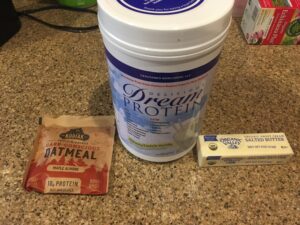
Instant oatmeal with grass fed butter and whey protein.


Scrambled eggs with mixed veggies.